
What to Feed a Pet Rat or Mouse
A complete lab block as the base, how many grams a day, food for young rats, safe fresh extras, and how to store and switch foods.
Pet rats and mice do best on a complete lab block or pellet as the base of every day's food.
Add small amounts of fresh food, a few treats as rewards, and clean water from a bottle. That's the whole diet.
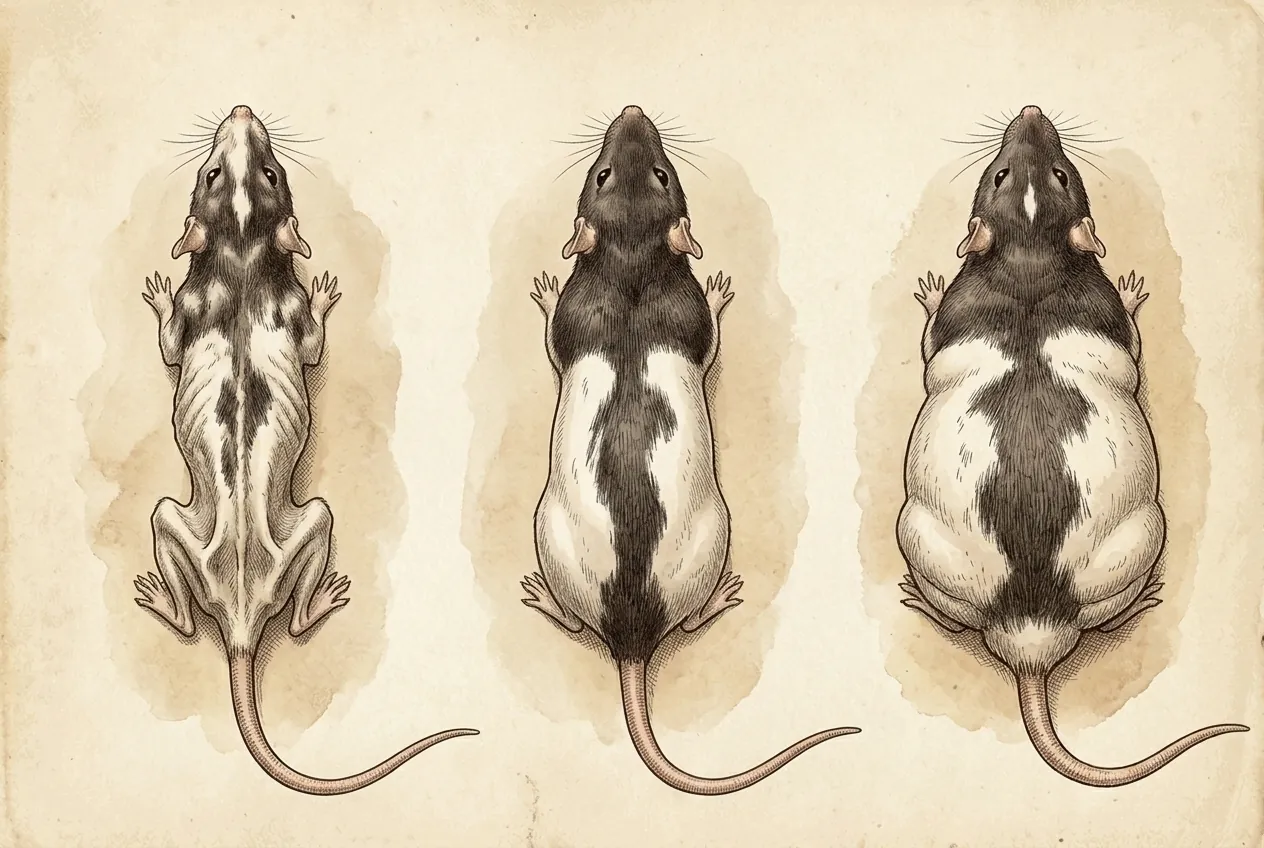 Healthy
At a glance
- Best staple A complete lab block or pellet, not seeds
- How much Rat 15-30 g, mouse 4-5 g a day (Mazuri)
- How often Block every day, fresh food in small amounts
- Young rats Young-rat or all-life-stage food, never adult formula
- Extras No more than 20% of the diet
- Storage Cool, dry, airtight; toss moldy or buggy food
A block, not a seed mix
Feed a uniform block or pellet. In a seed mix, they pick out the fatty bits and leave the rest.
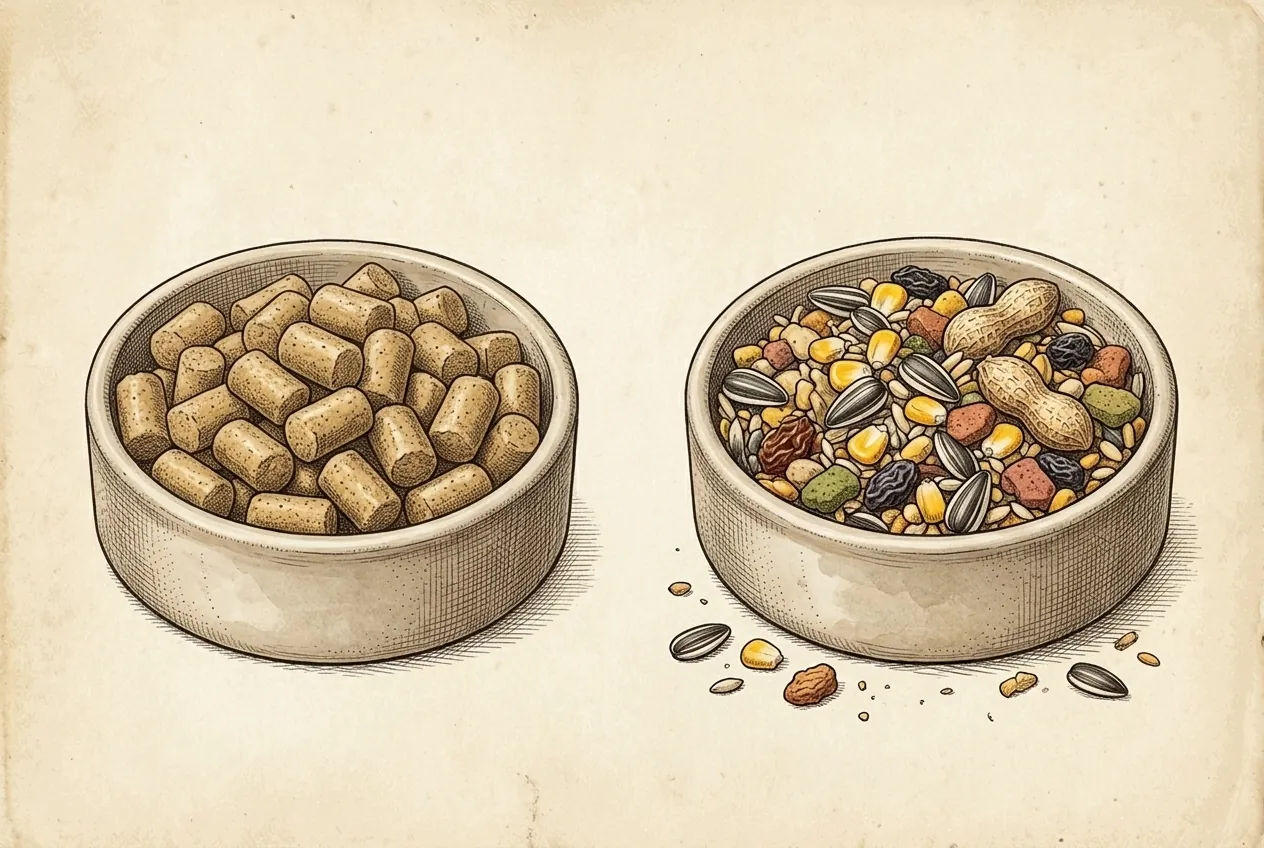
- Lab blocks
- Seed mix
- Lab blocks
- Uniform, so there's nothing to pick out.
- Seed mix
- Rats pick out the fatty seeds and leave the rest.
Lab block or pellet
Every bite is the same, so your pet can't pick and choose. Both are complete diets. Follow the bag.
Seed mix
Mice and rats pick out the fatty sunflower seeds and leave the healthy part. Our care sheets say that leads to obesity.
Picking a food
Any complete block works for an adult. Young rats need a food made for them.
For mice, and for young, pregnant or nursing rats, pick a formula that covers them, or an all-life-stage diet. Protein runs from 14% to 23% across these foods.
Compare all 6 foods: protein, fat, fiber and calcium
| Food | Who it's for, per the maker | Protein | Fat | Fiber | Calcium |
|---|---|---|---|---|---|
| Oxbow Essentials Adult Rat | Adult rats only | min 15% | min 4% | 2-5% | 1.0-1.5% |
| Oxbow Essentials Mouse & Young Rat | Mice, young rats, pregnant or nursing animals | min 18% | min 6% | 2-6% | 0.80-1.20% |
| Mazuri Rat & Mouse Diet | All life stages | min 23.0% | min 6.5% | max 6.0% | not listed |
| Mazuri Rodent Breeder 9F | Breeding animals | 18% | 9% | max 6% | 0.75-1.25% |
| Supreme Science Selective Rat & Mouse | not listed | 14% | 4% | 4% | 0.6% |
| Kaytee Supreme Mouse & Rat | Mix of seeds, grains and blocks | min 14% | min 5% | max 10% | not listed |
Figures are each maker's guaranteed analysis. Kaytee says its food contains peanuts and/or tree nuts.
How much to feed
Measure it. Mazuri says an adult rat eats 15-30 g a day and an adult mouse 4-5 g.
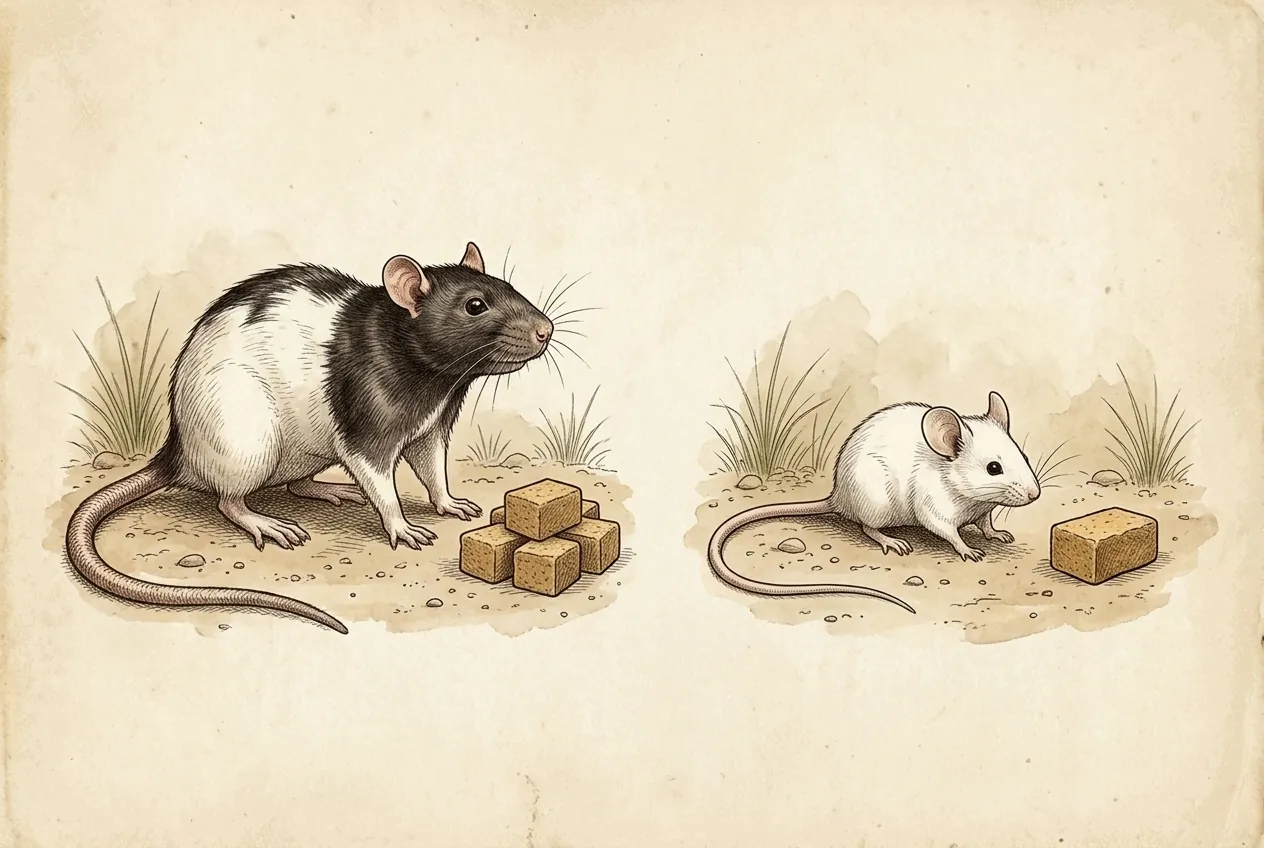
- Rat
- Mouse
- Rat
- Mazuri says 15-30 g a day for an adult.
- Mouse
- Mazuri says 4-5 g a day for an adult.
The makers don't agree on amounts:
- Mazuri: adult rat 15-30 g a day. Adult mouse 4-5 g, up to 8 g for larger strains.
- Supreme: rat 20-25 g. Mouse 3-5 g.
- Kaytee: 2-3 blocks a day for a rat, 1 for a mouse.
- Oxbow: unlimited, for adult rats, mice and young rats.
"Unlimited" doesn't mean a bowl heaped with treats. It means the block itself, always there.
Young, pregnant or nursing rats
A young rat needs a young-rat formula or an all-life-stage diet. Never Oxbow's adult rat food.
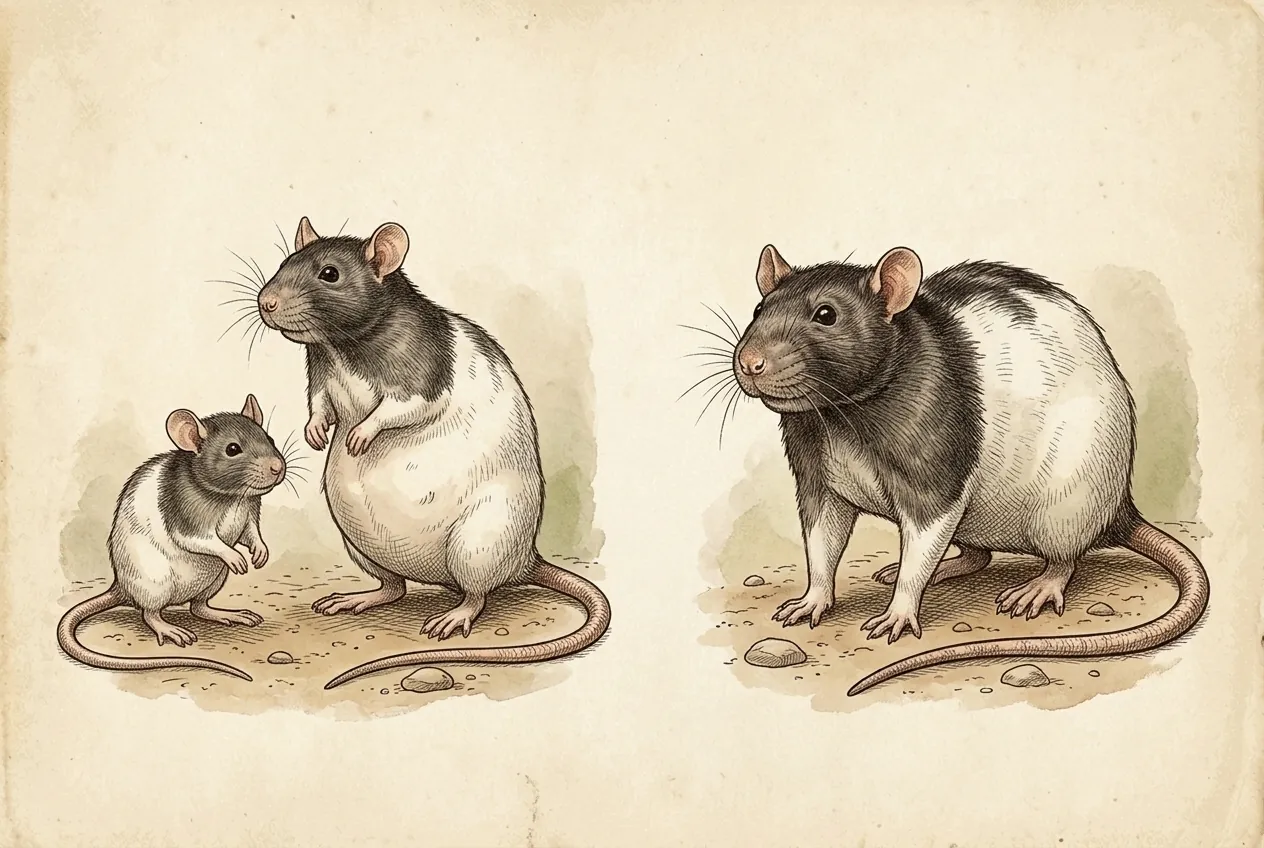
- Young or pregnant
- Mature adult
- Young or pregnant
- Mouse & Young Rat formula, or an all-life-stage diet.
- Mature adult
- An adult rat formula is fine.
- Oxbow says its Essentials Adult Rat is not for young, pregnant or nursing rats.
- Oxbow's Mouse & Young Rat covers mice, young rats and pregnant or nursing animals.
- Mazuri says its Rat & Mouse Diet is complete for all life stages.
- Mazuri makes a separate breeder formula, Rodent Breeder 9F.
Feeding schedule
Block every day. Fresh food in small amounts. Treats sparingly.
A sample week
Rat
Mouse
Feed Optional Rest day
Show as a table
| Animal | Block or pellet | Fresh foods | Treats |
|---|---|---|---|
| Rat | Every day | Every day, small amounts | Sparingly, as training rewards |
| Mouse | Every day | A few times a week, tiny amounts | Sparingly |
- Use a heavy dish so it can't tip.
- Scatter some of the food, or hide it in a paper tube, so your pet works for it.
- Water from a bottle, always.
Fresh foods and treats
Extras are no more than 20% of the diet, per Mazuri. Take out what isn't eaten before it spoils.
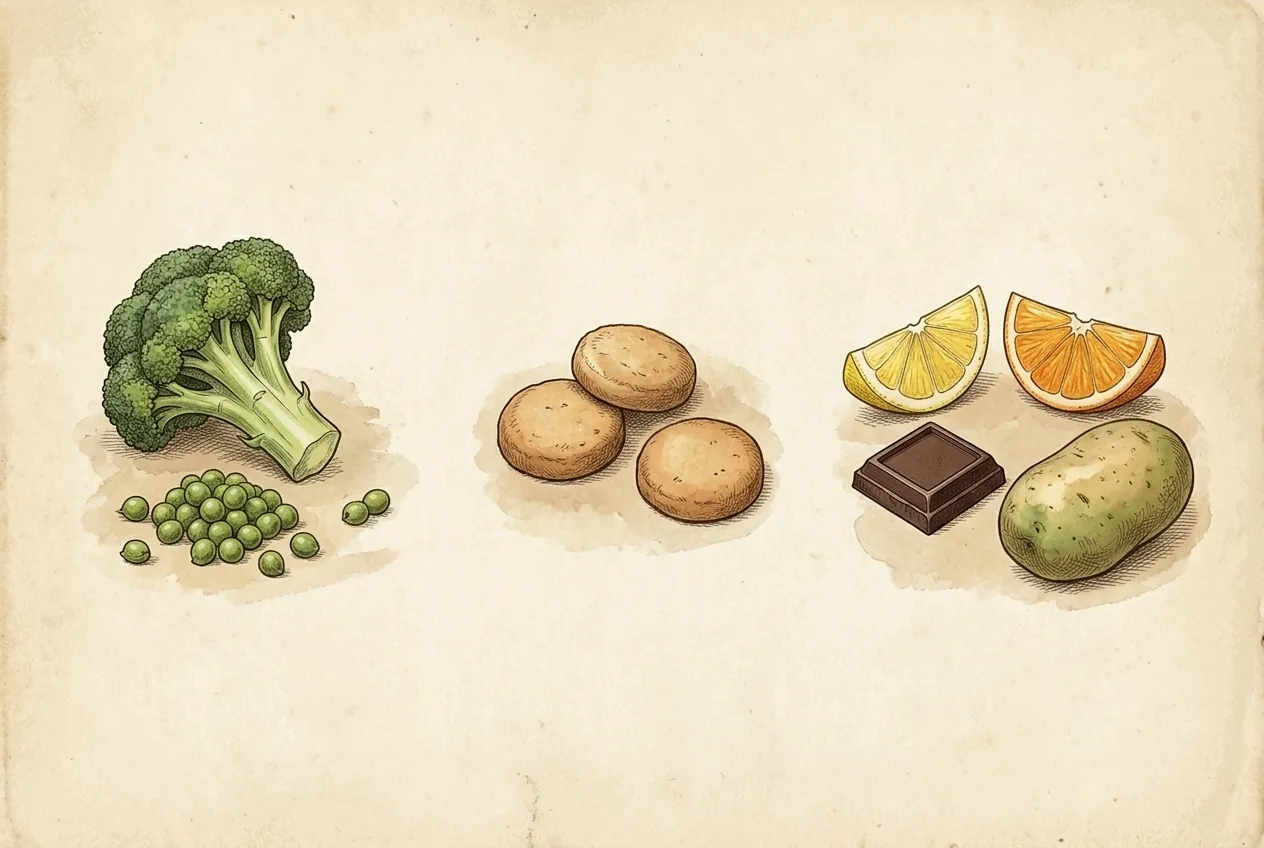
- Small daily extras
- Occasional
- Avoid
- Small daily extras
- Broccoli, peas and other vegetables in small amounts.
- Occasional
- Treats as small training rewards only.
- Avoid
- Citrus, chocolate and green potato.
Good extras
Broccoli, peas and carrots. For rats, also cooked pasta and small pieces of fruit.
Treats
Use them sparingly, as training rewards.
Avoid
Sticky foods like chunky peanut butter, which can cause choking. Also citrus skin and juice, raw beans, raw sweet potato and green bananas.
Do
- cut fresh food into tiny, bite-sized pieces for mice.
- remove leftovers before they spoil.
Don't
- give chocolate, green potato or fizzy drinks. Rats can't burp.
- let treats push the block out of the diet.
Setting up the cage
A heavy dish, a water bottle, a hide and somewhere to climb.
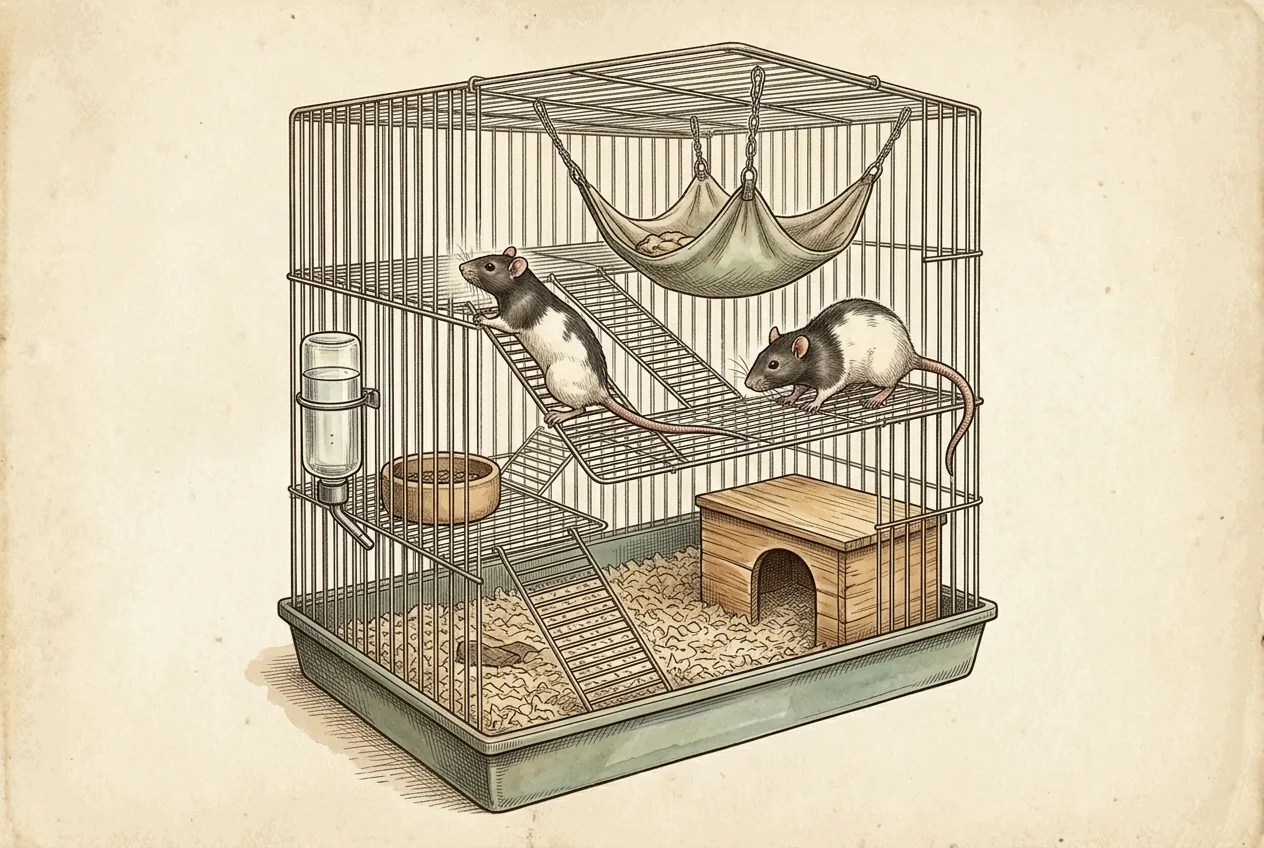
- Heavy food dish: it can't be tipped over and spilled into the bedding.
- Water bottle: check it every day. Tap the ball and a drop should come out.
- Hammock: rats love to climb and sleep up high.
- Hide box: a place to hide and nest, with nesting material to shred.
- Heavy food dish: it can't be tipped over and spilled into the bedding.
- Water bottle: check it every day. Tap the ball and a drop should come out.
- Hammock: rats love to climb and sleep up high.
- Hide box: a place to hide and nest, with nesting material to shred.
Mice need a small water bottle, since bowls get buried in bedding. Replace water that looks green or cloudy.
Add wooden chews too. Their front teeth never stop growing.
Checking your pet's body
Watch your pet's shape. Rats get fat easily, so measure food instead of topping up the bowl.
- Underweight
- Healthy
- Overweight
- Underweight
- A thin rat that isn't eating well needs a vet.
- Healthy
- Fed a measured, complete diet.
- Overweight
- Too much food or too many treats.
Watch for:
- not eating, or much less active than its cagemates
- sneezing that keeps happening, or clicking or wheezing breathing
- wet, crusty or red-brown stained eyes or nose
- drooling or dropping food
- a new lump under the skin
Switching foods
Change slowly. Oxbow says over four weeks, Kaytee says 7-10 days.
- Start small. Mix about a quarter new food into the old.
- Go up in steps. Move to half, then three quarters new.
- Finish. Feed only the new food once your pet eats it well.
Storing the food
Keep food cool, dry and sealed. Throw out anything moldy or full of bugs.
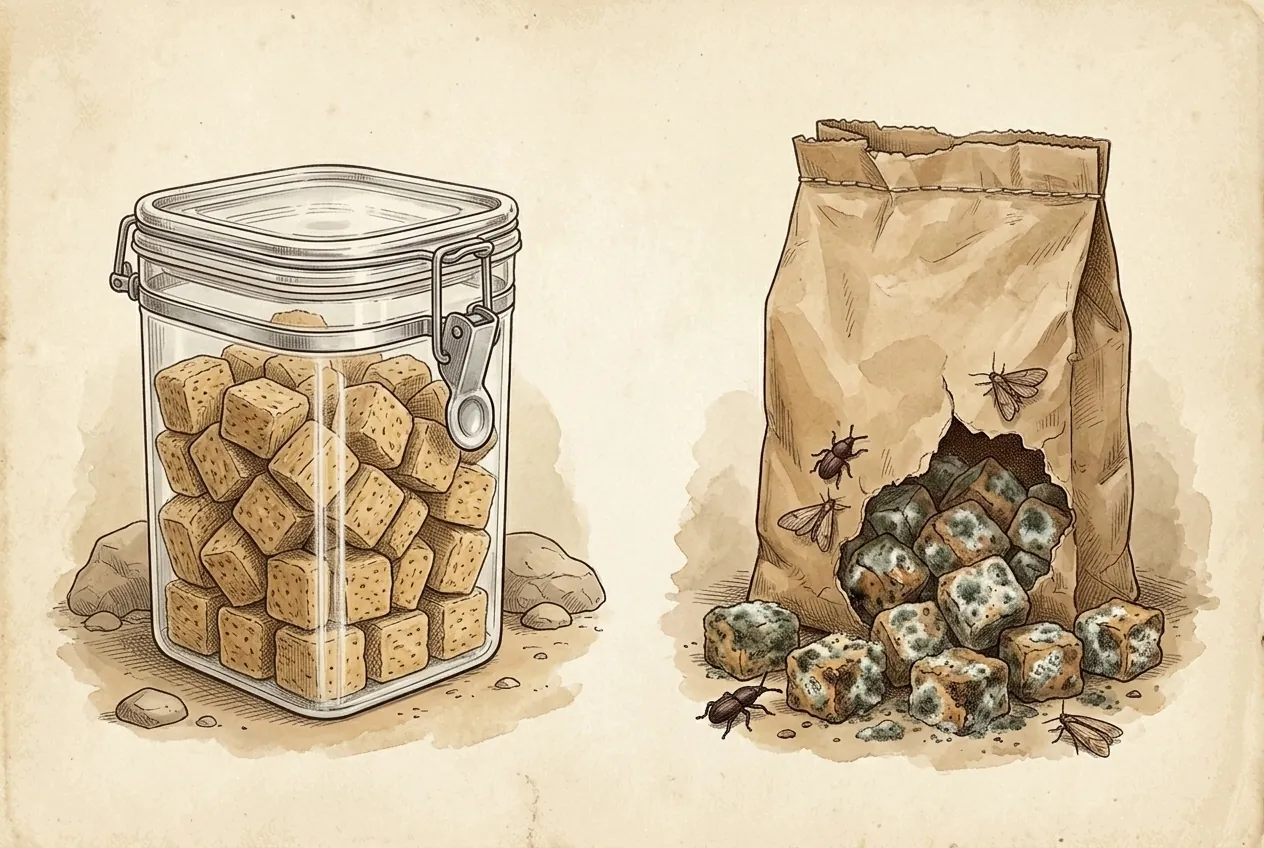
- Sealed container
- Moldy, buggy bag
- Sealed container
- Cool, dry and airtight.
- Moldy, buggy bag
- Throw it out.
Where
A cool, dry spot in an airtight container. Mazuri says 75°F or colder, and freezing is fine.
How long
Kaytee says use an open bag within 30-45 days. Mazuri says within 1 year of the date it was made.
When to toss it
Mazuri says throw out moldy or insect-infested food.
Quick answers
How much should I feed my rat? Mazuri says 15-30 g a day for an adult rat. Other makers differ, so the bag is the final word.
How much does a mouse eat? Mazuri says 4-5 g a day for an adult, up to 8 g for larger strains.
Can a young rat eat adult rat food? Not Oxbow's. Oxbow says its adult rat food is not for young, pregnant or nursing rats. Use a young-rat or all-life-stage formula.
Lab block or pellet? Both are complete diets. Follow the bag.
Is a seed mix OK? We'd skip it. Rats and mice pick out the fatty seeds and leave the rest.
How long does an open bag last? Kaytee says 30-45 days. Mazuri says 1 year from manufacture if kept cool and dry.
Can my rat have oranges? Skip citrus skin and juice.
Shop this
Pick up in store or have it shipped.
Reviewed by our team 2026-11-06. Nutrition figures are each maker's published guaranteed analysis.