
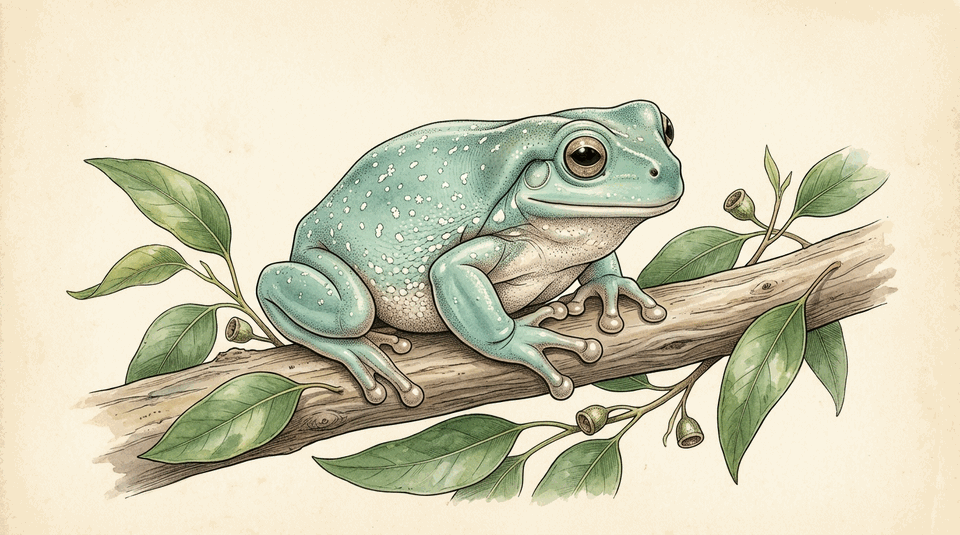
Tomato Frog
Dyscophus guineti
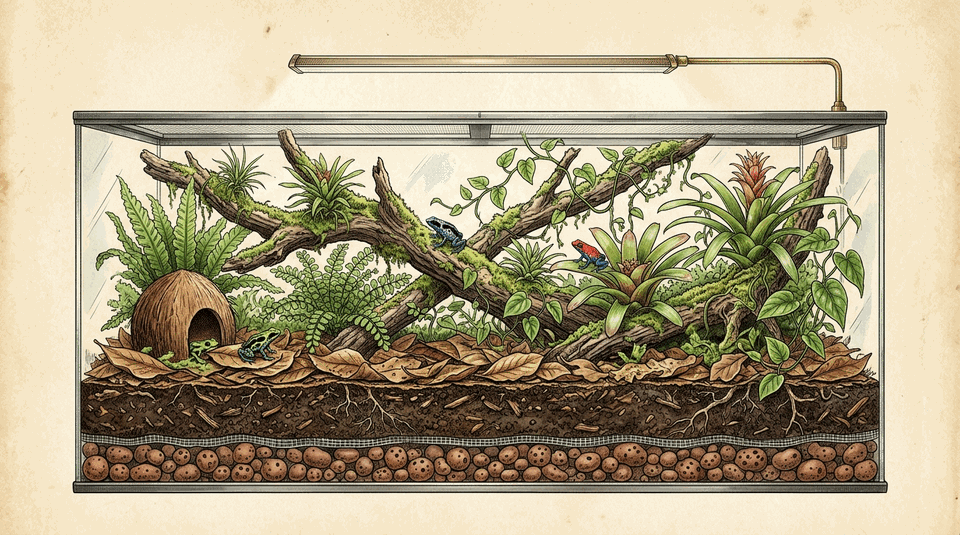
1. Habitat Layout & Temperature Gradient
Species: Dyscophus guineti | Difficulty: 2/5 — Easy | Hardiness: 4/5 — Hardy

Critter Cabana & Gresham Pet Supply — Keeping Your Pet Healthy & Thriving
At a Glance

| Common Name | Tomato Frog (Sambava / False Tomato Frog) |
| Species | Dyscophus guineti (most common in pet trade) |
| Origin | Madagascar (forests and swamps) |
| Adult Size | Males: 2–3 inches (5–7.5 cm) / Females: up to 4 inches (10 cm) |
| Lifespan | 6–8 years (can live 10+ years with excellent care) |
| Diet Type | Insectivore |
| Activity | Nocturnal / Crepuscular |
| Temperament | Docile observation pet; puffs up to deter predators |
| Handleability | Minimal — amphibians absorb oils/chemicals through skin |
| Habitat Type | Terrestrial / Semi-fossorial (burrowing) |
| Skin Toxicity | Mild irritant — secretes a sticky white toxin when stressed (wash hands) |
| Difficulty | 2/5 — Easy |
| Hardiness | 4/5 — Hardy |
Why We Love Them: Tomato frogs look exactly like their namesake—round, plump, and bright red-orange! They are robust, excellent eaters, and have a unique defense mechanism where they puff themselves up like a balloon when startled. They are one of the most forgiving and hardiest amphibian pets available.
Critical Amphibian Care Notes
Amphibians absorb everything through their permeable skin. This means:
- ALWAYS wash and rinse hands thoroughly before handling (soap residue, lotion, hand sanitizer = toxic)

- Water quality is CRITICAL — use dechlorinated or spring water ONLY
- Chemical sensitivity — no aerosol sprays, air fresheners, or cleaning products near enclosure
- Temperature sensitivity — most amphibians cannot tolerate temperatures above 82°F (28°C)
Housing & Enclosure
Enclosure Type & Size
- Type: Glass terrarium or aquarium
- Minimum: 10-gallon tank for a single adult
- Recommended: 20-gallon "long" tank or an 18"x18"x12" front-opening terrarium for 1–3 frogs
- Lid: Secure, ventilated screen lid required (but cover a portion to retain humidity if needed)
- Enclosure Recommendations: Exo Terra Glass Terrarium 18x18x12 (cross-ref: Amphibian/Reptile Enclosures)
Substrate
- Recommended: Moisture-retaining, burrow-friendly substrate. They are semi-fossorial and love to dig backward into the dirt.
- Zoo Med Eco Earth (Coconut Fiber)
- Organic topsoil (chemical and fertilizer-free)
- Bioactive mixes (e.g., Terra Firma)
- Depth: 2–4 inches minimum to allow for burying
- Bioactive Option: Excellent choice with springtails and isopods to help break down waste.
- Avoid:
- Avoid: Gravel, pebbles, or small rocks — severe impaction risk if swallowed during feeding
- Avoid: Bark chunks — impaction risk and difficult to burrow in
- Avoid: Reptile carpet — cannot burrow, hard to keep clean
Water Feature
- Type: Shallow water dish, large enough for the frog to soak in completely, but shallow enough that the water level does not go above the frog's mouth.
- Water Type: Dechlorinated tap water or spring water ONLY. Do not use distilled water (lacks essential minerals).
- Water Changes: Daily, or immediately if soiled. Tomato frogs frequently drag substrate into their water bowls.
Décor & Enrichment
- Hides: Cork bark flats, half-logs, or buried plastic pots. Place over the substrate so they can dig underneath.
- Plants: Live plants (pothos, ferns, moss) help maintain humidity and provide cover. Fake plants are also acceptable.
- Leaf Litter: Highly recommended. Provides excellent cover, mimics their natural forest floor habitat, and encourages natural behavior.
Temperature
| Zone | Temperature |
|---|---|
| Ambient Daytime | 70–80°F (21–27°C) |
| Maximum (CRITICAL) | 82°F (28°C) — overheating is often fatal |
| Nighttime Drop | 65–70°F (18–21°C) |
Heating
- Primary: Room temperature is often sufficient if your home is in the 70s.
- Supplemental: If the room is cold, use a low-wattage under-tank heater (UTH) on the side of the tank (not the bottom, to prevent burning when they burrow), controlled by a thermostat.
- AVOID high-wattage heat lamps directly over the enclosure — they dry out the habitat and can rapidly overheat the frog.
- (cross-ref: Reptile/Amphibian Heating)
Humidity
- Target Range: 50–80%
- How to Maintain: Mist the enclosure 1–2 times daily, use moisture-retaining substrate, and maintain live plants.
- Note: Ensure the substrate is damp, but not a muddy, waterlogged swamp. Squeeze a handful of substrate; it should hold its shape but not drip water.
Lighting
- Photoperiod: 12 hours light / 12 hours dark
- UVB: Beneficial but not strictly required. Low-level UVB (2.0–5.0%) encourages natural behaviors and aids in calcium metabolism.
- UVB Recommendations: Zoo Med ReptiSun T5 HO 5.0 (elevated or placed over a screen) (cross-ref: UVB Lighting)
Diet & Nutrition

Primary Diet
Tomato frogs are voracious, ambush insectivores. They will eat almost any invertebrate that moves and fits in their mouth.
Feeding Schedule
| Life Stage | Frequency | Amount |
|---|---|---|
| Juvenile | Every 1–2 days | 3–5 small insects |
| Adult | 2–3 times per week | 4–6 appropriately sized insects |
Prey Items
- Staples: Crickets, Dubia roaches, earthworms (nightcrawlers - cut into pieces if too large)
- Treats (feed sparingly): Waxworms, hornworms, silkworms
- Prey Size: Offer insects no wider than the space between the frog's eyes.
Supplements
| Supplement | Schedule |
|---|---|
| Calcium (with D3) | Dust feeders 1–2x per week (if no UVB is provided) |
| Multivitamin | Dust feeders 1x per week |
- Supplement Recommendations: Zoo Med Repti Calcium with D3 and Zoo Med Reptivite (cross-ref: Reptile/Amphibian Supplements)
Gut-Loading
- Feed insects a nutritious diet 24–48 hours before offering as food. Carotenoid-rich foods (like sweet potatoes and carrots) fed to the insects can help enhance the frog's red coloration.
Foods to Avoid
- Avoid: Gravel/substrate (always feed carefully or use a feeding dish/tongs to avoid accidental ingestion)
- Avoid: Wild-caught insects (pesticide risk — potentially fatal due to skin absorption)
- Avoid: Pinky mice (too high in fat, difficult to digest for this species)
Water (Drinking/Soaking)
- Amphibians "drink" primarily through skin absorption. They absorb water through a specialized "seat patch" on their bellies when sitting on damp substrate or in their water dish.
Health & Husbandry
Common Health Issues
- Intestinal Obstruction / Impaction — Symptoms: Lethargy, bloating, lack of feces, loss of appetite / Cause: Accidental ingestion of gravel, pebbles, or bark chips during feeding / Prevention: Use safe substrates (Eco Earth, topsoil) and feed from tongs or a clear area.
- Red Leg Syndrome — Symptoms: Reddening/hemorrhaging on the underside of legs and belly, lethargy, open sores, weight loss / Cause: Opportunistic bacterial infection (e.g., Aeromonas) triggered by poor water quality, dirty substrate, and stress / Prevention: Maintain strict hygiene, use dechlorinated water, spot-clean daily. Requires immediate veterinary treatment.
- Dehydration / Toxing Out — Symptoms: Sunken eyes, dry skin, lethargy, sitting in water dish constantly, erratic movements / Cause: Low humidity, or sitting in soiled water/substrate absorbing their own waste / Prevention: Maintain 50-80% humidity, change water daily, use dechlorinated water.
Signs of Good Health
- Plump, round appearance (not bloated with fluid)
- Bright, clear eyes
- Quick feeding response
- Burrows into the substrate and rests calmly during the day
Signs of Illness
- Red Flag: Extreme lethargy or unresponsiveness
- Red Flag: Sunken eyes or severe weight loss
- Red Flag: Red patches or sores on the belly or legs
- Red Flag: Bloating (feeling like a water balloon) — a sign of edema/kidney failure
Shedding
- Amphibians shed their skin regularly and typically eat it, pulling it forward into their mouths using their front legs. This is normal and a sign of a growing, healthy frog.
Water Quality (Critical)
- Chlorine/Chloramine: ZERO — always dechlorinate tap water using a reptile/amphibian safe water conditioner (e.g., Zoo Med ReptiSafe).
Veterinary Needs
- We recommend an exotic-specialized veterinarian with amphibian experience.
Color Morphs / Varieties
Tomato frogs do not have selective "morphs" like reptiles. Color variations are based on species, sex, and diet.
- Dyscophus guineti (False Tomato Frog) — The most common species in captivity. Tends to have a yellowish-orange to reddish-orange hue, often with dark lateral stripes running from the eyes down the sides.
- Dyscophus antongilii (True Tomato Frog) — Rarer in the pet trade due to protection status. Exhibits a deep, brilliant, solid red color.
- Sexual Dimorphism — Females are significantly larger and brighter red/orange. Males are smaller, duller, and tend to be more yellowish-brown.
- Age and Diet — Juveniles are duller and "ripen" as they age. A diet rich in carotenoids (gut-loading insects with carrots, sweet potatoes) helps intensify their red/orange coloration.
Handling Guidelines
- Minimize handling — amphibians are observation pets, not handling pets.
- Toxic Secretions — When stressed, tomato frogs secrete a thick, white, sticky substance. It is a mild irritant to humans and can cause allergic reactions. Avoid touching your eyes or mouth, and wash your hands immediately.
- Wet, clean hands only — If you must handle them, rinse hands thoroughly with dechlorinated water (no soap residue). Better yet, use moistened, powder-free nitrile gloves.
- Support the body — scoop them gently from underneath; never grab by the limbs.
Bioactive Setup Notes
- Cleanup Crew: Springtails, tropical isopods (e.g., Dwarf Whites).
- Live Plants: Pothos, Philodendron, creeping fig, ferns. Ensure plants are sturdy, as these heavy frogs can trample delicate vegetation.
- Drainage Layer: Essential for bioactive setups (e.g., hydroballs covered by a mesh screen) to prevent the substrate from becoming waterlogged.
- Benefits: Reduces the need for full substrate changes, maintains a natural humidity cycle, and processes the frog's waste.
Compatibility
- Cohabitation: Can be kept in small groups (e.g., 2–3 in a 20-gallon tank) of the same species and similar size.
- Caution: Monitor during feeding times. They have large mouths and a strong feeding response; accidental cannibalism or injury can occur if a smaller frog gets in the way of a hungry larger frog.
- With Other Species: NEVER mix amphibian species.
Oregon & Local Keeping Notes
- Oregon: Legal to own. No special permits required.
- General: Dyscophus antongilii is heavily protected (CITES Appendix I), but Dyscophus guineti (the one sold as pets) is CITES Appendix II and widely captive-bred and legal.
What We Stock & Use in Our Stores
These are products we carry and recommend for this species. Ask any associate for help finding them in-store.
| Category | Product | Notes |
|---|---|---|
| Enclosure | Exo Terra Glass Terrarium 18x18x12 | Front-opening, ideal size for 1-2 adults |
| Substrate | Zoo Med Eco Earth (Coconut Fiber) | Holds moisture perfectly, safe for burrowing |
| Water Conditioner | Zoo Med ReptiSafe | CRITICAL: removes chlorine and chloramines |
| Heating | Zoo Med ReptiTherm UTH | Mount on SIDE of tank if room is cold (<70°F) |
| Thermostat | Zoo Med ReptiTemp Digital Thermostat | Prevents overheating |
| Lighting (Optional) | Zoo Med ReptiSun T5 HO 5.0 | Low-level UVB |
| Supplements | Zoo Med Repti Calcium with D3 | Dust feeders 1-2x weekly |
| Hides | Exo Terra Reptile Cave or Cork Bark | Must have places to hide/burrow |
| Water Dish | Exo Terra Water Dish (Medium/Large) | Shallow enough for easy exit |
| Feeder Insects | Crickets, Dubia Roaches | Do not feed insects wider than space between eyes |
Care sheet compiled by Critter Cabana & Gresham Pet Supply. For questions, ask any livestock specialist in-store.
Last updated: 2026-08-04
How We Keep Them at Critter Cabana & Gresham Pet Supply
- Beating Dry Oregon Furnace Air (and Summer Heat Spikes): Across the Willamette Valley and Portland Metro, running the house furnace all winter drops indoor humidity to 25–35%, which quickly causes stuck sheds and dehydration in screen-top tanks. To hold
50-80%reliably for Tomato Frog, our crew uses a deep 3–5" substrate bed (or our store-shelf 10-Part Bioactive Mix of ReptiSoil, Coco Fiber, Orchiata Bark, Sphagnum Moss, and Leaf Litter), a dedicated humid hide packed with damp sphagnum moss, and partial screen cover when needed. - Thermostat & Linear UVB Standard: Every heating element in our Newberg and Gresham reptile rooms runs on a thermostat probe set to
species-appropriate warm zoneon the warm side with acomfortable room temperaturecool retreat, paired withbeneficialon a 12-hour day/night timer. In summer, if an upstairs room climbs above 82°F, a dimming thermostat automatically backs down the basking lamp so the cool side never overheats. - Stocked at Newberg & Gresham: We stock reptile enclosures, thermostats, Arcadia & Zoo Med UVB lighting, bioactive substrate ingredients, live Springtails, Dwarf White, Powder Blue/Orange, Dairy Cow, and Giant Canyon isopods, and gut-loaded crickets, dubia roaches, hornworms, and frozen-thawed rodents at Critter Cabana (Newberg) and Gresham Pet Supply.
Common Questions (FAQ)
What size tank does an adult Tomato Frog actually need?
An adult Tomato Frog needs at least 10-gallon so you can maintain a true thermal gradient from species-appropriate warm zone on the warm/basking side down to comfortable room temperature on the cool side.
How do I keep Tomato Frog humidity at 50-80% during dry Oregon winters?
Oregon winter furnace heat dries out thin bedding fast. Use a 3–5 inch moisture-retaining substrate mix (such as Zoo Med ReptiSoil blended with coco fiber, Orchiata bark, and sphagnum moss), provide an enclosed humid hide, and cover 50–70% of an open screen top with HVAC foil tape or a PVC panel if ambient humidity drops too low.
What is the best bioactive clean-up crew for a Tomato Frog?
Pair Temperate White Springtails with a humidity-matched isopod species (such as Powder Blue/Orange for semi-arid setups or Dwarf White / Dairy Cow isopods for humid forest setups) in a 3–5 inch bioactive soil and leaf-litter bed. You can pick up our 1-Page or Tri-Fold Bioactive Substrate Recipe Guide and live cultures at Critter Cabana (Newberg) or Gresham Pet Supply.
Where can I get Tomato Frog setup supplies, live feeders, and thermostats in Oregon?
We stock our full reptile, amphibian, and bioactive setup supplies—including enclosures, thermostats, Arcadia and Zoo Med UVB lighting, bioactive substrates, live isopods/springtails, and live or frozen feeders—at Critter Cabana in Newberg (514 E First St, 503-537-2887) and Gresham Pet Supply (2185 NW Burnside Rd, 503-665-7606).